Flow Formed Wheels for Wholesale & Custom Programs
The sweet spot of the wheel market: flow forming stretches and compresses the barrel of a cast blank, aligning the grain structure for strength near that of forging — at cast-level pricing.
Flow Forming: Lighter, Stronger, Smarter
A cast wheel blank is spun at high speed while rollers compress the barrel — densifying the aluminum and thinning the wall. The result: a lighter wheel with higher load capacity than a standard cast wheel, at a fraction of forged cost. That makes flow forming the fastest growing process in the aftermarket wheel segment, and the default choice for distributors who want performance credentials without premium pricing.
Weight Savings
Lighter than equivalent cast wheels — better handling, braking and fuel economy.
Strength
Higher tensile strength and impact resistance than gravity or low-pressure cast wheels.
Value
Dramatically cheaper than forged — the value choice for performance-conscious buyers.
Customizable
Custom offset, bolt pattern, finish and branding available on flow formed programs.
Where Flow Formed Wheels Fit Your Market
Flow formed wheels sit between cast and forged in both price and performance — which makes them the right fit for a wide range of programs:
Performance Street
Sport compacts, sedans and coupes where buyers want lighter wheels without forged budgets.
Distributor Programs
A complete aftermarket line with multiple sizes, PCDs and finishes from one program.
OEM-Style Projects
Custom fitment projects where weight and load matter — specified per vehicle platform.
Brand Lines
Private label flow formed wheels with your logo, packaging and documentation.
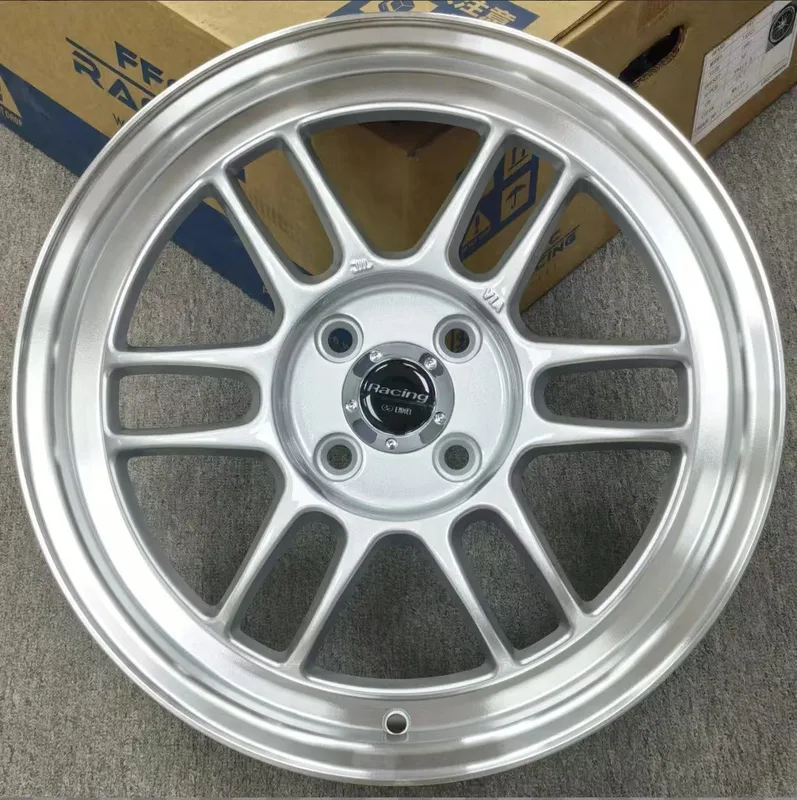
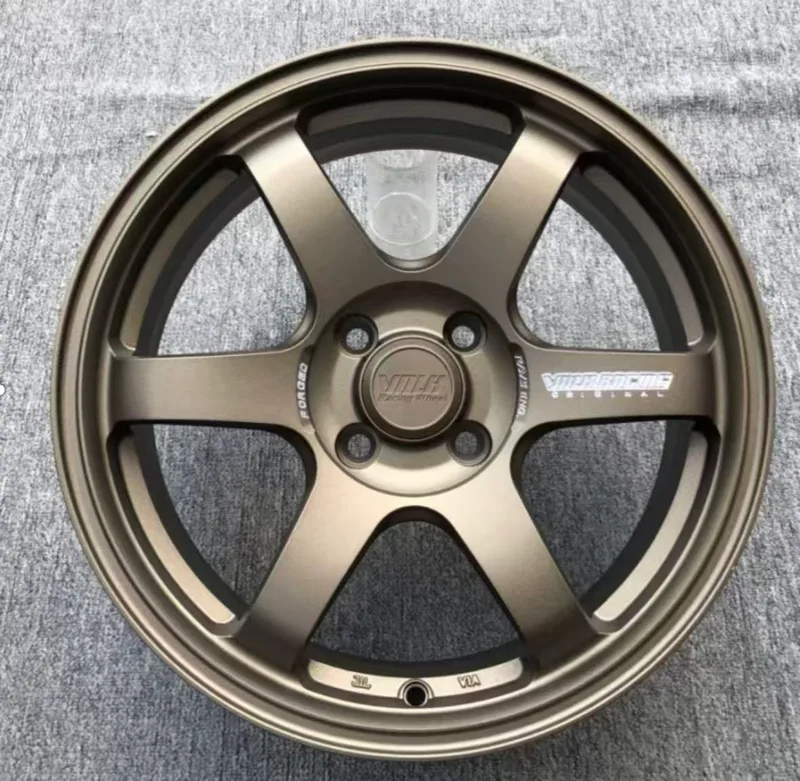
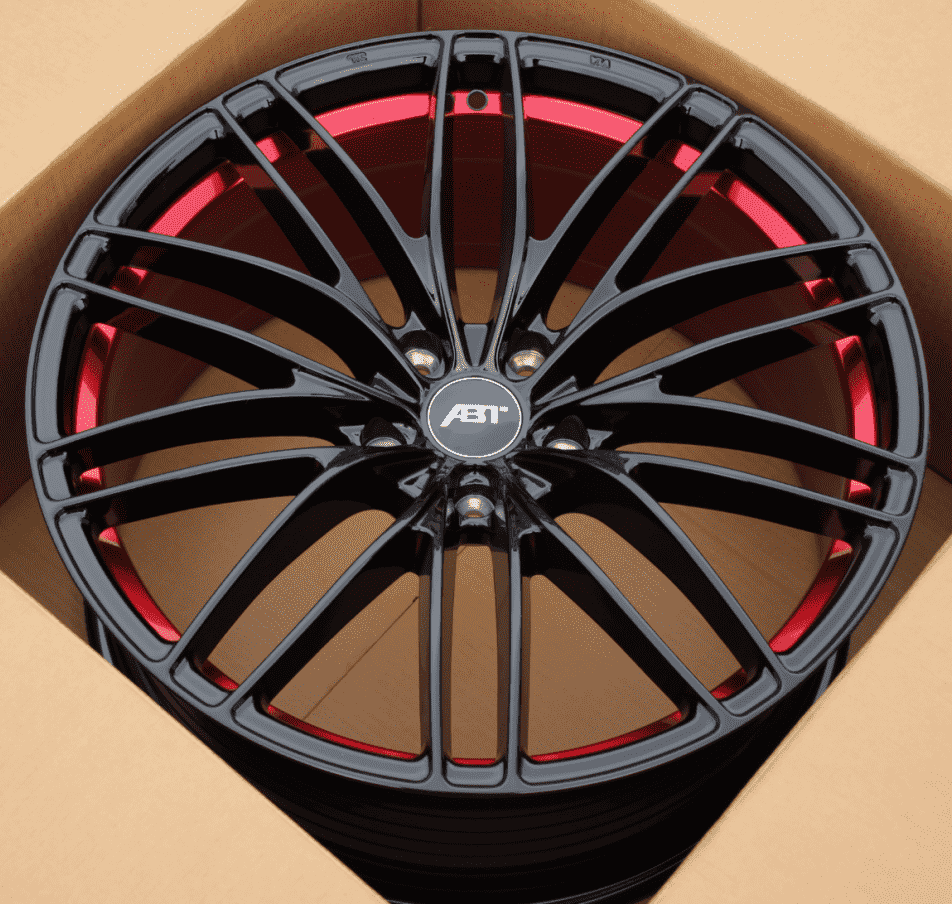
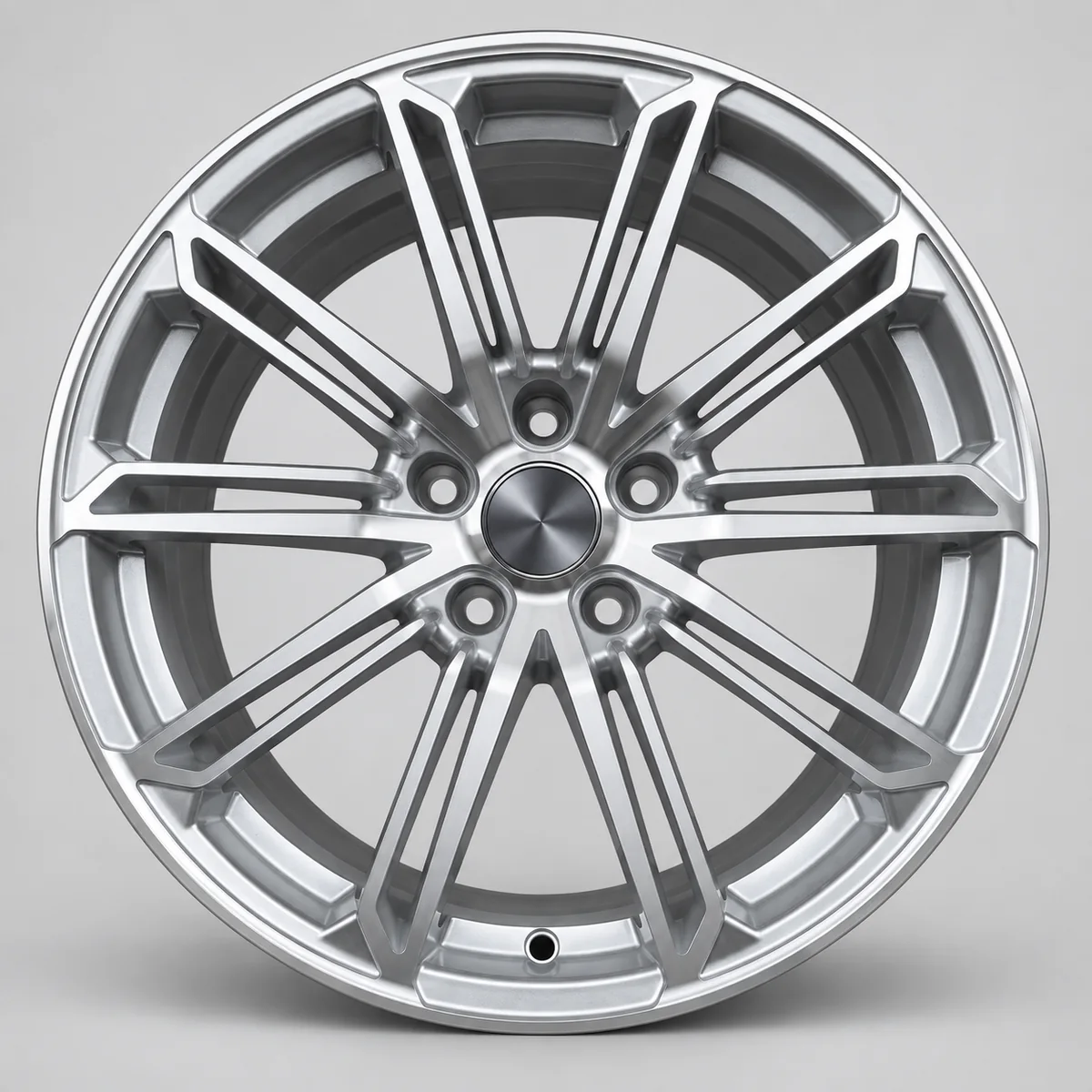
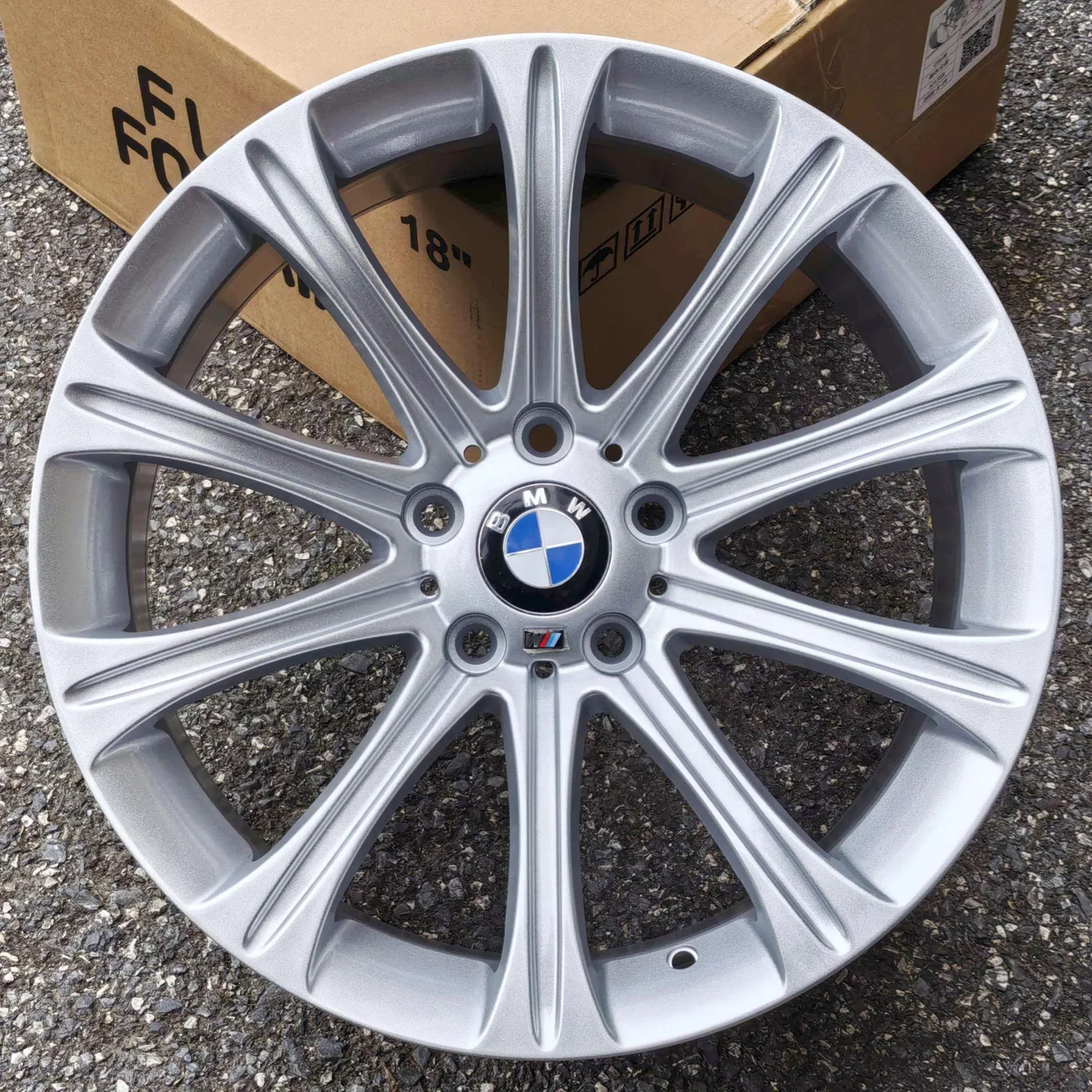
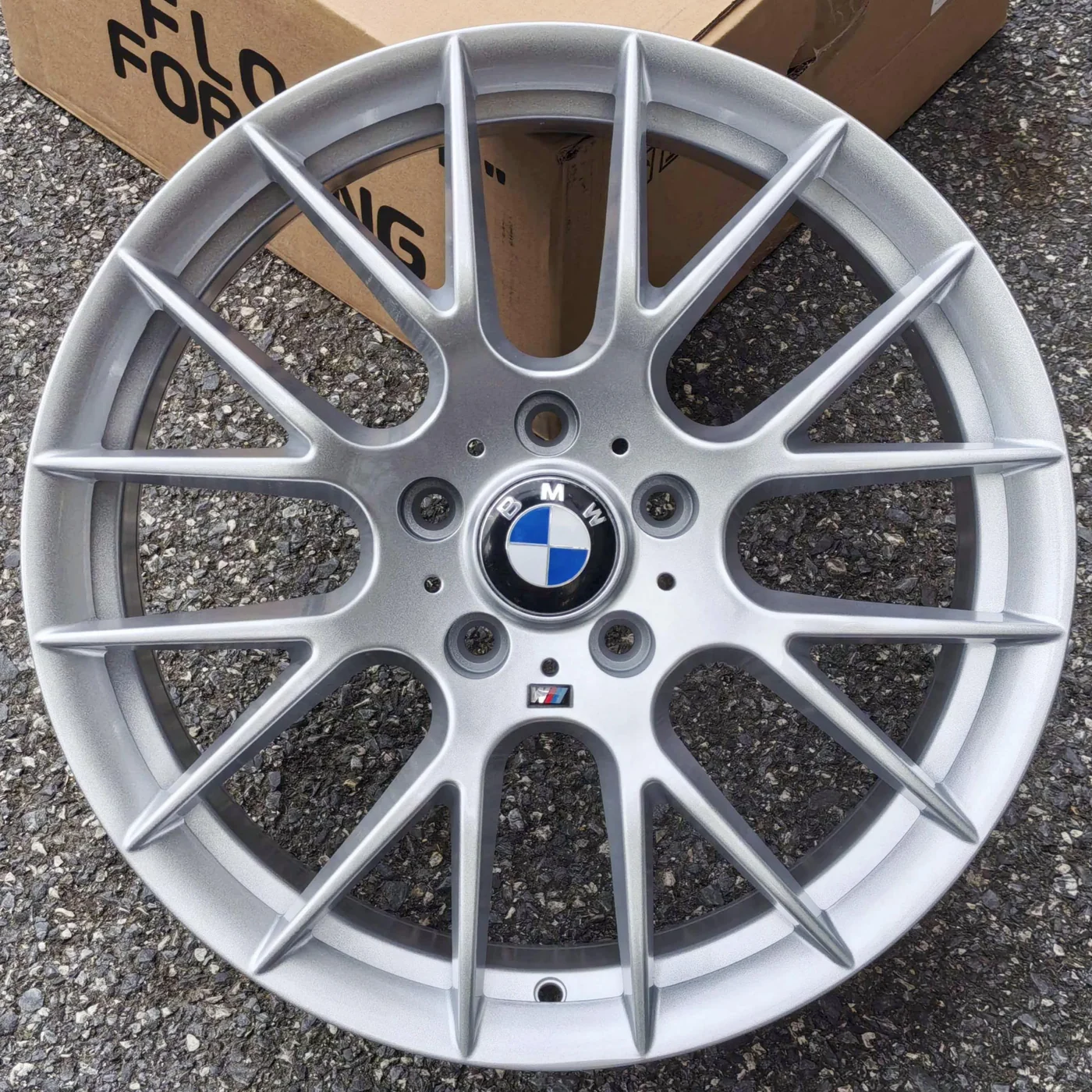
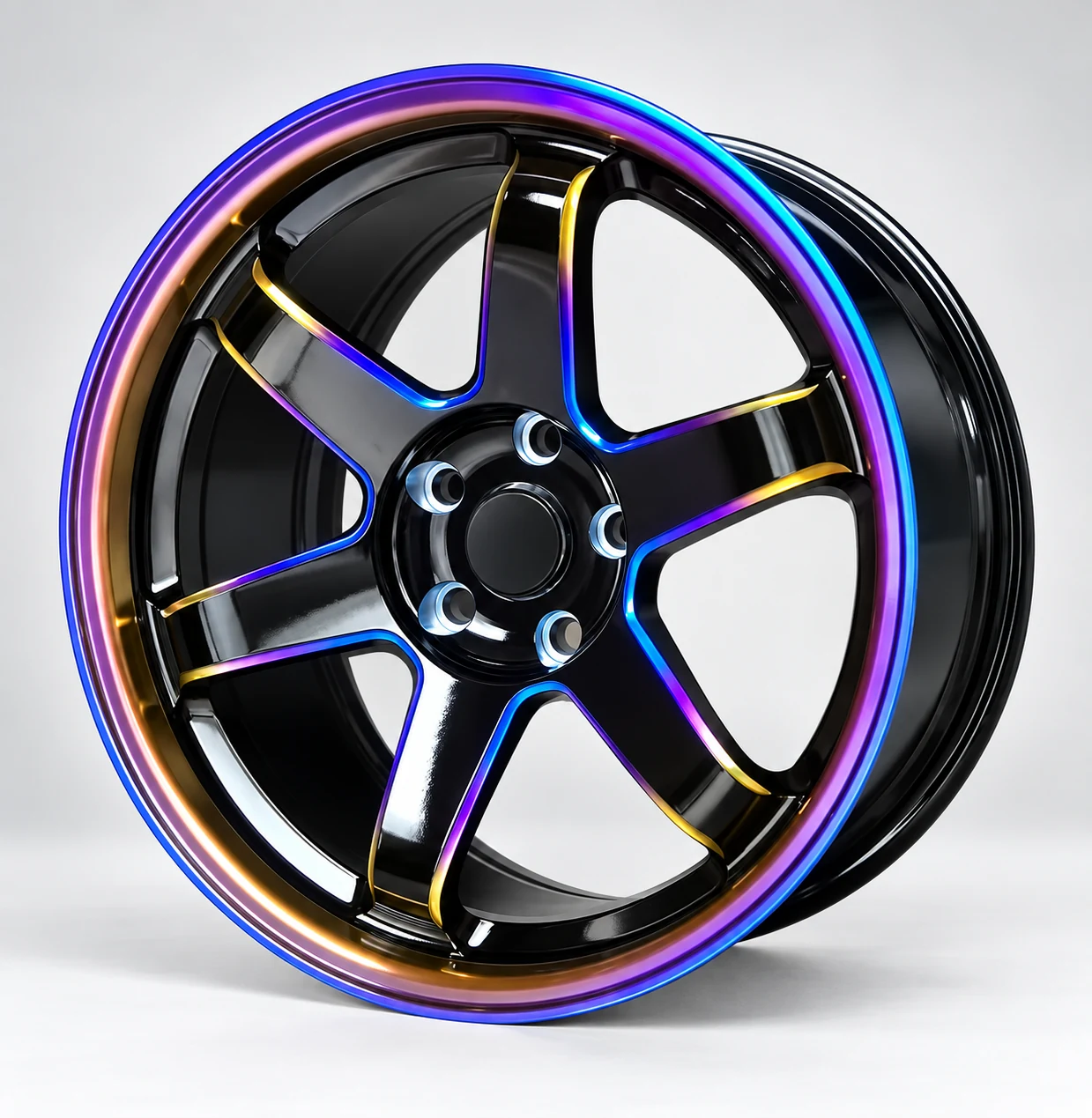
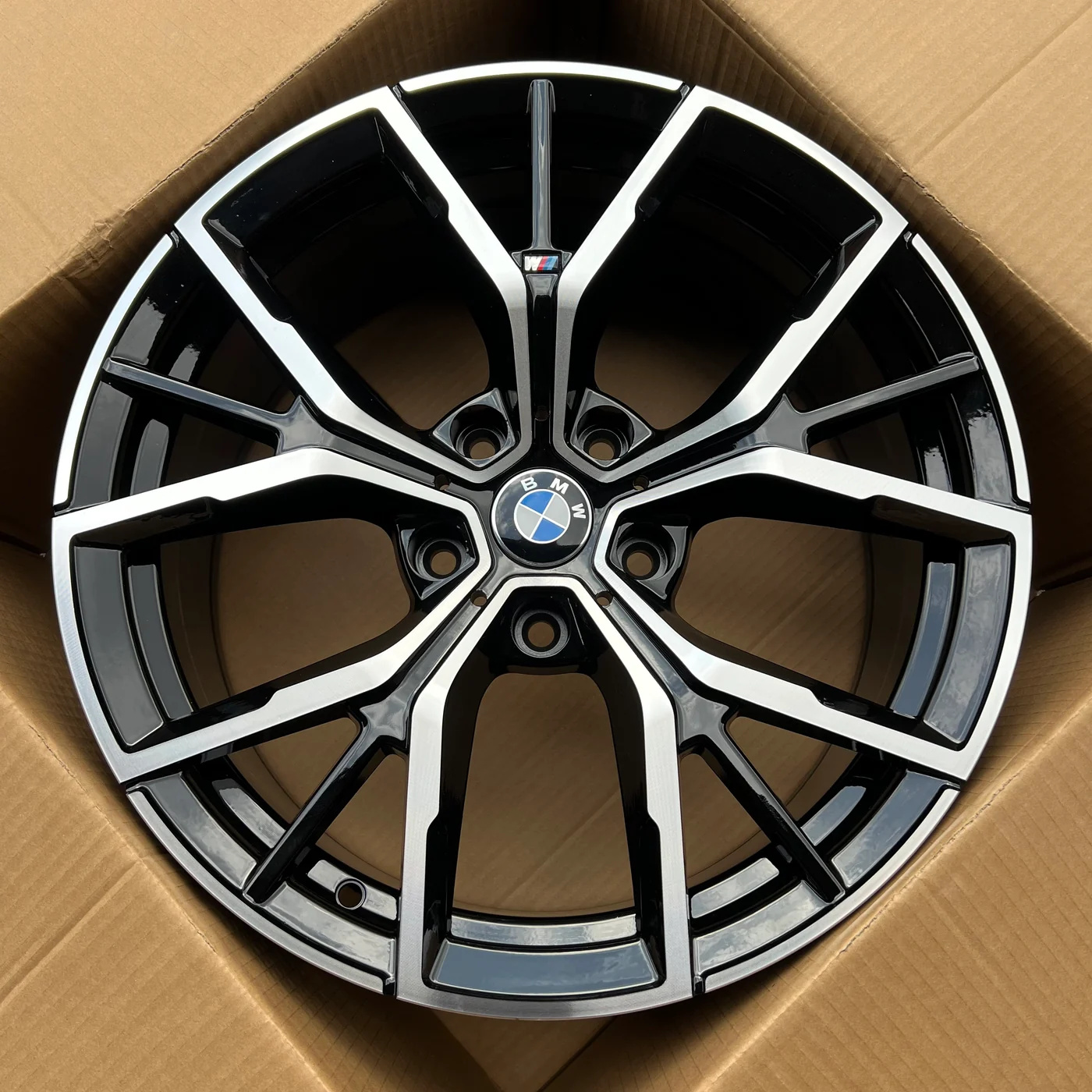
Available Models
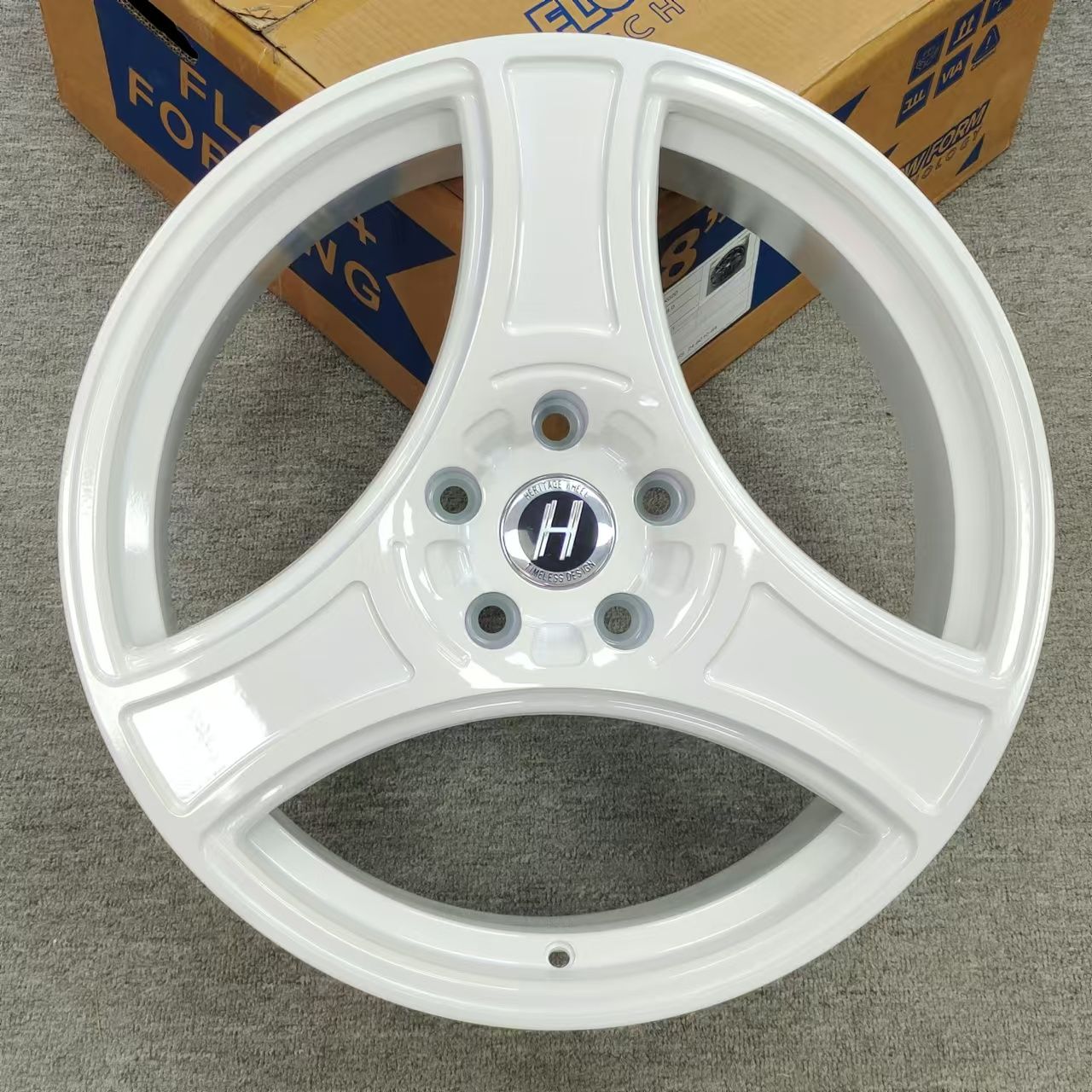
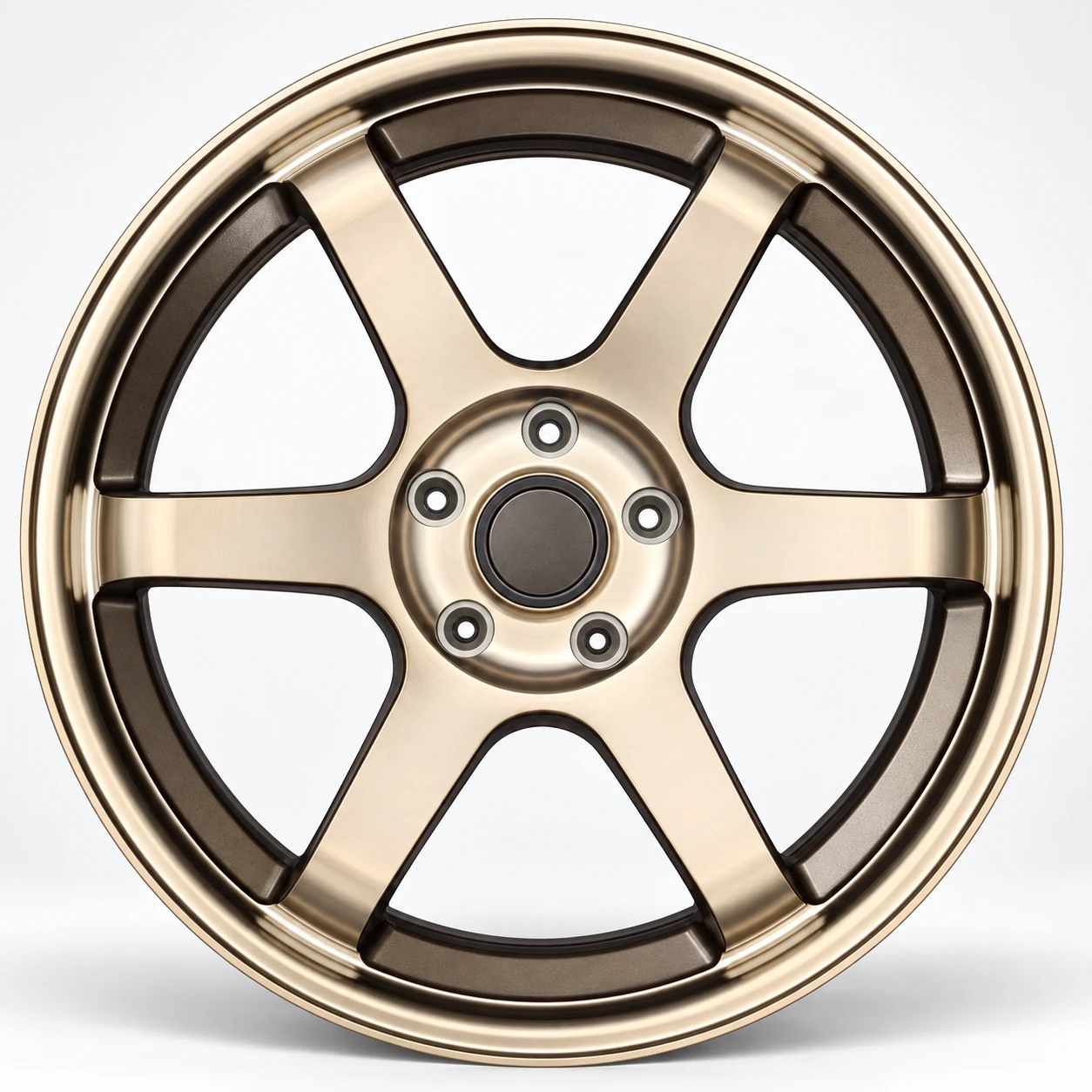
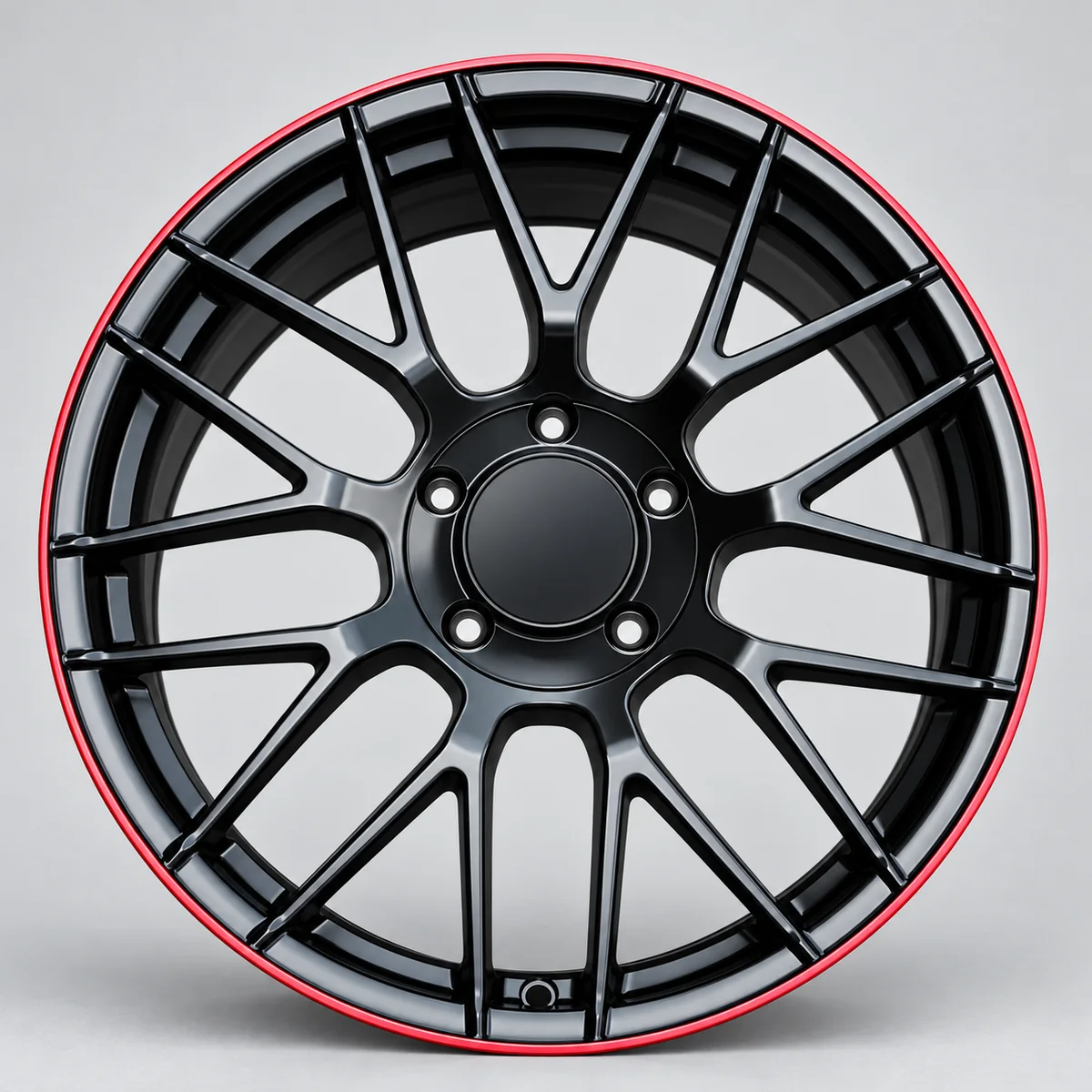
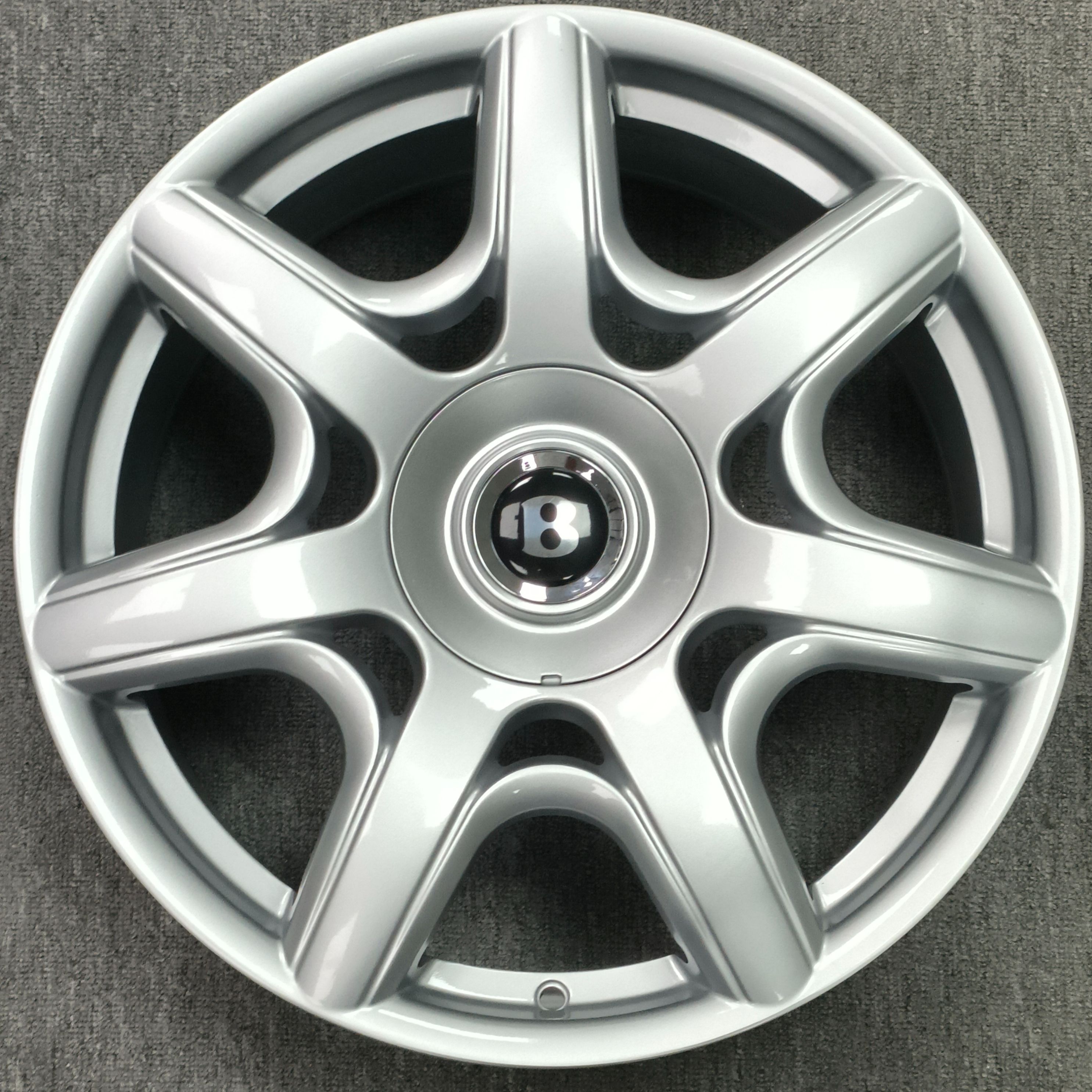
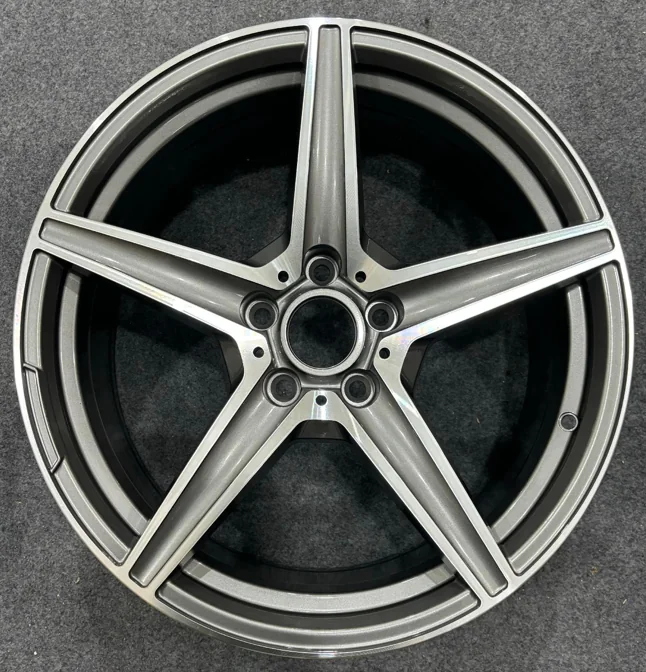
Programs & Customization
Every flow formed program is built around an agreed specification: size, PCD, offset, center bore, finish and branding. Custom sizes and finishes are confirmed per project — never guessed. For branding, packaging and documentation, see our OEM/ODM programs, and for the quality checks behind each order, see our quality process.
Flow Formed Wheel Questions
How is a flow formed wheel made?
A cast wheel blank is spun at high speed while rollers compress the barrel — densifying the aluminum and thinning the wall. The result is a lighter wheel with higher load capacity than a standard cast wheel, at a fraction of forged cost.
What sizes and bolt patterns are available?
Programs are available across common passenger and performance sizes, with bolt pattern (PCD), offset (ET) and center bore (CB) confirmed against your target applications. Real models with verified specs are shown below.
Can you private label flow formed wheels?
Yes — logo engraving or molding, custom center caps, packaging and documentation are part of every program. See our OEM/ODM programs for details.
What documentation is available?
Certification and testing options are available depending on product specifications and project requirements. Documentation can be provided for applicable products.
How do I know which flow formed sizes suit my market?
Share your target vehicle list and we will confirm fitment options — sizes, PCD, offset and center bore — against real application data before you commit.
Can flow formed wheels be custom painted or branded?
Yes. Custom finishes, engraving, center caps and packaging are available per program. See our OEM/ODM programs for the full branding scope.
Do you ship flow formed programs worldwide?
We export to Europe, the Americas and the Middle East with full export documentation. Tell us your port and we will confirm the schedule.
How do flow formed wheels compare to forged for street performance?
Forged offers the ultimate strength-to-weight, flow formed offers most of the benefit at roughly half the program cost. For street performance programs, flow formed is typically the better commercial fit; for track and luxury, forged.
What the Current Flow Formed Line Covers
The current flow formed program covers two model families with verified specifications from the company product library:
AR-01 (Flow Formed)
Sizes 15/16/17" (15x7.0 / 16x7.0 / 17x7.5), bolt patterns 4x100 / 5x112 / 5x114.3, offset ET35, silver finish.
AR-02 (Flow Formed)
Sizes 15/16" (15x6.5 / 16x7.0), bolt pattern 4x100, offsets ET38 / ET40 / ET42, bronze and black-gunmetal finishes.
Custom Programs
Beyond the current line, custom sizes, offsets and finishes are confirmed per project — validated against your target applications before sampling.
Load & Certification Data
Load ratings and certification documentation are provided only where real data exists for the specific part number — never guessed.
Five Questions to Ask Any Wheel Supplier
1. Written Specification
Is every parameter — size, PCD, ET, CB, finish, load rating — confirmed in writing before production?
2. Samples First
Can you see and approve a sample before committing to volume?
3. Inspection Reports
Are staged quality checks and inspection reports available for applicable programs?
4. Documentation
Are export documents, packing lists and certification options confirmed per project?
5. Direct Communication
Will you deal with one accountable contact from spec to shipment?
How Flow Forming Is Done — and Why It Matters
The process starts with a cast blank, produced through conventional casting so the barrel is thicker than the final wheel requires. The blank is then mounted on a spinning mandrel while rollers apply high pressure to the barrel region. The combination of heat, pressure and rotation stretches the metal, aligning its grain structure along the circumference of the wheel. That alignment is what gives flow formed wheels their strength: the material is denser and more uniform than in a standard cast wheel, while the barrel wall can be made thinner without losing capacity.
For buyers, the practical difference is weight — flow formed wheels are noticeably lighter than equivalent cast wheels, which improves handling, braking and fuel economy. And because the process starts from a cast blank, it remains far more affordable than forging. That combination of weight savings, strength and price is exactly why flow forming has become the default technology for performance programs that need to hit a market price point.
Spec a Flow Formed Program
Tell us your sizes, target weights and volumes. We'll show you exactly what flow forming can deliver — with a 24-hour response.